
- 1bat中if语句的用法_bat if语句
- 2TimSort 排序算法_mergehi
- 3SQL将多个表的查询结果根据一个相同字段合并为一行?_多个表查询出来放在一行里 有同一个字段
- 4vue自定义组件的知识总结_vue 自定义组件 参数
- 5Python:347. 前K个高频元素( Top K Frequent Elements)_前k个高频元素堆排序python
- 6Python打开Windows可执行性程序的几种方法(Windows窗口自动化第一步)_python操作windows窗口程序
- 7腾讯云网站备案流程_腾讯云打电话过来备案
- 8Qt动画框架详解_qt ui动画
- 9所有电商API接口,淘宝API接口分类,1688API、拼多多API、京东API_京东淘宝1688接口
- 10python打包的exe开机自动启动(windows)_python 打包exe开机启动
Springboot + MySQL+ JPA Ⅲ delete方法详解_entity must not be null
赞
踩
一、deleteById(Id id) 和 delete(T entity)
为什么要把这两个方法放在一起呢?我们先看源码再说
deleteById源码(通过id进行删除)
- @Transactional
- @Override
- public void deleteById(ID id) {
-
- Assert.notNull(id, ID_MUST_NOT_BE_NULL);
-
- delete(findById(id).orElseThrow(() -> new EmptyResultDataAccessException(
- String.format("No %s entity with id %s exists!", entityInformation.getJavaType(), id), 1)));
- }
- 复制代码
delete源码(通过实体对象进行删除)
- @Override
- @Transactional
- @SuppressWarnings("unchecked")
- public void delete(T entity) {
-
- Assert.notNull(entity, "Entity must not be null!");
-
- if (entityInformation.isNew(entity)) {
- return;
- }
-
- Class<?> type = ProxyUtils.getUserClass(entity);
-
- T existing = (T) em.find(type, entityInformation.getId(entity));
-
- // if the entity to be deleted doesn't exist, delete is a NOOP
- if (existing == null) {
- return;
- }
-
- em.remove(em.contains(entity) ? entity : em.merge(entity));
- }
- 复制代码

一目了然了吧!deleteById先在方法体内通过id求出entity对象,然后调用了delete的方法。也就是说,这两个方法同根同源,使用起来差距不大,结果呢?也是一样的,就是单条删除。实际使用中呢,也是使用deleteById的情况比较多,废话少说,try it。
Service层中添加deleteById方法(deleteById是三方件自带接口不需要在dao层中添加)
- @Transactional
- public void deleteById(Integer id){
- userDao.deleteById(id);
- }
- 复制代码
control层
- /**
- * 通过id进行删除数据
- * @param id
- */
- @GetMapping("/deleteById")
- public void deleteById(Integer id){
- userService.deleteById(id);
- }
- 复制代码
浏览器测试成功 http://localhost:7777/deleteById?id=2
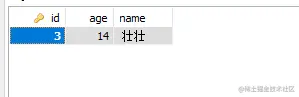
控制台打印了两行sql,如下:
- Hibernate: select user0_.id as id1_0_0_, user0_.age as age2_0_0_, user0_.name as name3_0_0_ from user user0_ where user0_.id=?
- Hibernate: delete from user where id=?
- 复制代码
由此可见,先通过select看看实体对象是否存在,然后再通过id进行删除!
二、deleteAllById(Iterable<? extends ID> ids) 和 deleteAll(Iterable<? extends T> entities)
deleteAllById(Iterable<? extends ID> ids)(通过id进行批量删除)
- @Override
- @Transactional
- public void deleteAllById(Iterable<? extends ID> ids) {
-
- Assert.notNull(ids, "Ids must not be null!");
-
- for (ID id : ids) {
- deleteById(id);
- }
- }
- 复制代码
通过源码可以看出,就是遍历ids然后循环调用上面的deleteById(Id id)方法。
deleteAll(Iterable<? extends T> entities)(通过实体对象进行批量删除)
- @Override
- @Transactional
- public void deleteAll(Iterable<? extends T> entities) {
-
- Assert.notNull(entities, "Entities must not be null!");
-
- for (T entity : entities) {
- delete(entity);
- }
- }
- 复制代码
这个呢?也就是遍历entities然后循环调用上面的delete(T entity)方法
还有一个不传参数的deleteAll()方法来删除所有数据(慎用)
- @Override
- @Transactional
- public void deleteAll() {
-
- for (T element : findAll()) {
- delete(element);
- }
- }
- 复制代码
就是通过findAll求出所有实体对象然后循环调用delete方法
综上所述,我们发现以上所有的删除事件都是调用了delete(T entity)方法,也就是差距不是很大,就是单条 和多条删除的区别。
让我们来测试一下多条删除的场景:
Service层中添加deleteAllById方法(deleteAllById是三方件自带接口不需要在dao层中添加)
- @Transactional
- public void deleteAllById(Iterable ids){
- userDao.deleteAllById(ids);
- }
- 复制代码
control层
- /**
- * 通过id进行批量删除
- * @param ids
- */
- @GetMapping("/deleteAllById")
- public void deleteAllById(Integer[] ids){
- userService.deleteAllById(Arrays.asList(ids));
- }
- 复制代码
浏览器测试成功 http://localhost:7777/deleteAllById?id=3,4
删除前:
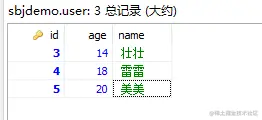
删除后:
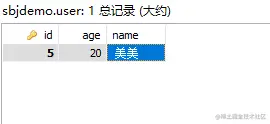
控制台打印如下:
- Hibernate: select user0_.id as id1_0_0_, user0_.age as age2_0_0_, user0_.name as name3_0_0_ from user user0_ where user0_.id=?
- Hibernate: select user0_.id as id1_0_0_, user0_.age as age2_0_0_, user0_.name as name3_0_0_ from user user0_ where user0_.id=?
- Hibernate: delete from user where id=?
- Hibernate: delete from user where id=?
- 复制代码
由此可以看出,数据是一条一条的进行了删除。
三、deleteAllInBatch(Iterable entities)和deleteAllByIdInBatch(Iterable ids)
deleteAllInBatch(Iterable entities)源码(通过实体对象进行批量删除)
- public static final String DELETE_ALL_QUERY_STRING = "delete from %s x";
-
- @Override
- @Transactional
- public void deleteAllInBatch(Iterable<T> entities) {
-
- Assert.notNull(entities, "Entities must not be null!");
-
- if (!entities.iterator().hasNext()) {
- return;
- }
-
- applyAndBind(getQueryString(DELETE_ALL_QUERY_STRING, entityInformation.getEntityName()), entities, em)
- .executeUpdate();
- }
- 复制代码
- /**
- * Creates a where-clause referencing the given entities and appends it to the given query string. Binds the given
- * entities to the query.
- *
- * @param <T> type of the entities.
- * @param queryString must not be {@literal null}.
- * @param entities must not be {@literal null}.
- * @param entityManager must not be {@literal null}.
- * @return Guaranteed to be not {@literal null}.
- */
- public static <T> Query applyAndBind(String queryString, Iterable<T> entities, EntityManager entityManager) {
-
- Assert.notNull(queryString, "Querystring must not be null!");
- Assert.notNull(entities, "Iterable of entities must not be null!");
- Assert.notNull(entityManager, "EntityManager must not be null!");
-
- Iterator<T> iterator = entities.iterator();
-
- if (!iterator.hasNext()) {
- return entityManager.createQuery(queryString);
- }
-
- String alias = detectAlias(queryString);
- StringBuilder builder = new StringBuilder(queryString);
- builder.append(" where");
-
- int i = 0;
-
- while (iterator.hasNext()) {
-
- iterator.next();
-
- builder.append(String.format(" %s = ?%d", alias, ++i));
-
- if (iterator.hasNext()) {
- builder.append(" or");
- }
- }
-
- Query query = entityManager.createQuery(builder.toString());
-
- iterator = entities.iterator();
- i = 0;
-
- while (iterator.hasNext()) {
- query.setParameter(++i, iterator.next());
- }
-
- return query;
- }
- 复制代码
通过上面的源码,我们大体能猜测出deleteAllInBatch(Iterable entities)的实现原理:delete from %s where x=? or x=?
实际测试一下:http://localhost:7777/deleteAllInBatch?ids=14,15,16&names=a,b,c&ages=0,0,0
控制台打印如下:
- Hibernate: delete from user where id=? or id=? or id=?
- 复制代码
deleteAllByIdInBatch(Iterable ids)源码(通过ids批量删除)
-
- public static final String DELETE_ALL_QUERY_BY_ID_STRING = "delete from %s x where %s in :ids";
-
- @Override
- @Transactional
- public void deleteAllByIdInBatch(Iterable<ID> ids) {
-
- Assert.notNull(ids, "Ids must not be null!");
-
- if (!ids.iterator().hasNext()) {
- return;
- }
-
- if (entityInformation.hasCompositeId()) {
-
- List<T> entities = new ArrayList<>();
- // generate entity (proxies) without accessing the database.
- ids.forEach(id -> entities.add(getReferenceById(id)));
- deleteAllInBatch(entities);
- } else {
-
- String queryString = String.format(DELETE_ALL_QUERY_BY_ID_STRING, entityInformation.getEntityName(),
- entityInformation.getIdAttribute().getName());
-
- Query query = em.createQuery(queryString);
- /**
- * Some JPA providers require {@code ids} to be a {@link Collection} so we must convert if it's not already.
- */
- if (Collection.class.isInstance(ids)) {
- query.setParameter("ids", ids);
- } else {
- Collection<ID> idsCollection = StreamSupport.stream(ids.spliterator(), false)
- .collect(Collectors.toCollection(ArrayList::new));
- query.setParameter("ids", idsCollection);
- }
- query.executeUpdate();
- }
- }
- 复制代码
通过上面源码我们大体可以猜出deleteAllByIdInBatch(Iterable ids)的实现原理:delete from %s where id in (?,?,?)
实际测试一下:http://localhost:7777/deleteAllByIdInBatch?ids=17,18,19 控制台打印如下:
- Hibernate: delete from user where id in (? , ? , ?)
- 复制代码
这里同样有个不带参数的deleteAllInBatch()的方法,源码如下:
- @Override
- @Transactional
- public void deleteAllInBatch() {
- em.createQuery(getDeleteAllQueryString()).executeUpdate();
- }
-
- public static final String DELETE_ALL_QUERY_STRING = "delete from %s x";
-
- private String getDeleteAllQueryString() {
- return getQueryString(DELETE_ALL_QUERY_STRING, entityInformation.getEntityName());
- }
-
- 复制代码
通过源码不难猜到实现原理吧,多的不说,直接给测试的控制台数据:Hibernate: delete from user
最终结论:
从上面两种删除接口来看,第二种实现比起第一种更加的快捷;第一种就是一条一条的进行删除操作,如果有万级的数据,执行起来肯定非常耗时,所以如果数据量比较大的话,还是建议大家使用第二种。

