- 1Codeforces Round #700 (Div. 2) AB_codeforces round 700
- 2基于Gitee+Hexo搭建个人博客_gitee hexo
- 3MVC、MVP、MVVM_mvc mvp mvvm
- 4R语言使用plot函数可视化数据散点图,使用mtext函数在可视化图像的右侧居中添加自定义文本标签(right)_r语言mtext函数
- 5js中 type of 的用法(详细)_js typeof
- 6后管设置全局style样式_document.documentelement.style.setproperty
- 7Windows Server 2019 预览版介绍
- 8解决React中使用scss前置的npm install node-sass报错问题_react使用node-sass报错
- 9C++数字图像处理(4)—均值滤波_c++分别采用3*3和5*5的窗口对噪声污染图像进行滤波
- 10等保2.0测评:VMware ESXI_pam_passwdqc.so
day10_LC学习计划:数据结构入门_root = [1,null,2,3]
赞
踩
144.二叉树的前序遍历
给你二叉树的根节点 root ,返回它节点值的 前序 遍历。
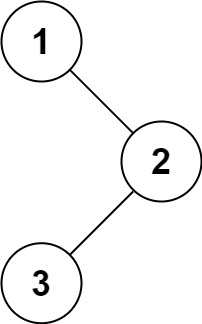
示例 1:
输入:root = [1,null,2,3]
输出:[1,2,3]
示例 2:输入:root = []
输出:[]
示例 3:输入:root = [1]
输出:[1]
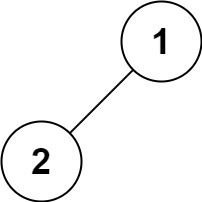
示例 4:
输入:root = [1,2]
输出:[1,2]
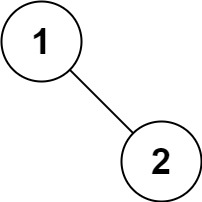
示例 5:
输入:root = [1,null,2]
输出:[1,2]
提示:
树中节点数目在范围 [0, 100] 内
-100 <= Node.val <= 100
进阶:递归算法很简单,你可以通过迭代算法完成吗?
来源:力扣(LeetCode)
链接:https://leetcode-cn.com/problems/binary-tree-preorder-traversal
著作权归领扣网络所有。商业转载请联系官方授权,非商业转载请注明出处。
一、idea:
前中后序遍历真数据结构基操了,迭代和递归,不过还是有不会写的地方,果然光是看懂真不行。
二、解法:
略。
三、代码实现细节的学习:
- 在递归时,一开始不知道如何让保存结果的数组序号向后移动。
- 重新理解了一下C中的指针,当指针已经开辟了空间的时候,*p便可以像只有一位数字的p数组的p[0]处存放int类型的数据。
- *p=&a,在没有开辟内存空间时候,指针指向地址才是正确的赋值方式。
- C中的指针在传递的过程中也是传递的地址,所以在不同的函数中
1、递归,解答则避免了全局变量内存空间的开辟。
- /**
- * Definition for a binary tree node.
- * struct TreeNode {
- * int val;
- * struct TreeNode *left;
- * struct TreeNode *right;
- * };
- */
-
-
- /**
- * Note: The returned array must be malloced, assume caller calls free().
- */
-
- int *ret;
-
- int i;
-
- int* preorderTraversal(struct TreeNode* root, int* returnSize){
- i=0;
- ret=malloc(sizeof(int)*100);
- preorder(root);
- *returnSize=i;
- return ret;
- }
-
- void preorder(struct TreeNode *root){
- if(root==NULL) return;
- ret[i++]=root->val;
- preorder(root->left);
- preorder(root->right);
- }

2、在迭代时,题解中的思想里,栈中只保存上一个该向右结点遍历的结点。
while里的第一个node!=NULL是为了保证右子树和栈不都为空,第二个是为了保证左子树不为空。
- /**
- * Definition for a binary tree node.
- * struct TreeNode {
- * int val;
- * struct TreeNode *left;
- * struct TreeNode *right;
- * };
- */
-
-
- /**
- * Note: The returned array must be malloced, assume caller calls free().
- */
- int* preorderTraversal(struct TreeNode* root, int* returnSize){
- int *ret=malloc(sizeof(int)*100);
- *returnSize=0;
- if(root==NULL) return ret;
- struct TreeNode* stack[100];
- struct TreeNode* node=root;
- int top=-1;
- while(node!=NULL||top>-1){
- while(node!=NULL){
- ret[(*returnSize)++]=node->val;
- stack[++top]=node;
- node=node->left;
- }
- node=stack[top--];
- node=node->right;
- }
- return ret;
- }
3、Morris算法,第一次接触到,常看常新,自己实现的时候错误的地方已经标注在代码上了。
- /**
- * Definition for a binary tree node.
- * struct TreeNode {
- * int val;
- * struct TreeNode *left;
- * struct TreeNode *right;
- * };
- */
-
-
- /**
- * Note: The returned array must be malloced, assume caller calls free().
- */
- int* preorderTraversal(struct TreeNode* root, int* returnSize){
- int *ret=malloc(sizeof(int)*100);
- *returnSize=0;
- if(root==NULL) return ret;
-
- struct TreeNode *p1=root,*p2=NULL;
- while(p1!=NULL){
- p2=p1->left;
- if(p2!=NULL){
- while(p2->right!=NULL&&p2->right!=p1){
- p2=p2->right;
- }
- if(p2->right==NULL){
- ret[(*returnSize)++]=p1->val;
- p2->right=p1;
- p1=p1->left;
- continue;//不加这个就直接向右走了
- }else{
- p2->right=NULL;//如果p2的右子树不为空,那就直接恢复原本的树就可以了
- }
- }else{
- ret[(*returnSize)++]=p1->val;//如果p2为空,说明左子树为空。
- }
- p1=p1->right;
- }
- return ret;
- }
94.二叉树的中序遍历
给定一个二叉树的根节点 root ,返回它的 中序 遍历。
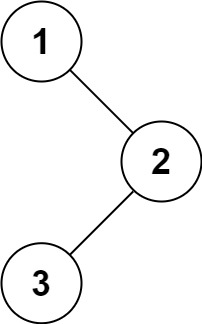
示例 1:
输入:root = [1,null,2,3]
输出:[1,3,2]
示例 2:输入:root = []
输出:[]
示例 3:输入:root = [1]
输出:[1]
示例 4:
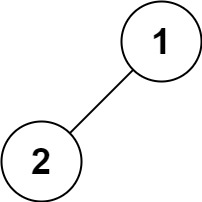
输入:root = [1,2]
输出:[2,1]
示例 5:
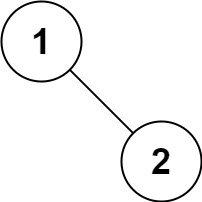
输入:root = [1,null,2]
输出:[1,2]
提示:
树中节点数目在范围 [0, 100] 内
-100 <= Node.val <= 100
进阶: 递归算法很简单,你可以通过迭代算法完成吗?
来源:力扣(LeetCode)
链接:https://leetcode-cn.com/problems/binary-tree-inorder-traversal
著作权归领扣网络所有。商业转载请联系官方授权,非商业转载请注明出处。
一、idea:
略
二、解法:
略
三、代码实现细节的学习:
1、递归
- /**
- * Definition for a binary tree node.
- * struct TreeNode {
- * int val;
- * struct TreeNode *left;
- * struct TreeNode *right;
- * };
- */
-
-
- /**
- * Note: The returned array must be malloced, assume caller calls free().
- */
- int* inorderTraversal(struct TreeNode* root, int* returnSize){
- int *ret=malloc(sizeof(int)*100);
- *returnSize=0;
- inorder(root,ret,returnSize);
- return ret;
- }
-
- void inorder(struct TreeNode* root, int* ret, int* returnSize){
- if(root==NULL) return;
- inorder(root->left, ret, returnSize);
- ret[(*returnSize)++]=root->val;
- inorder(root->right, ret, returnSize);
- }
2、迭代
- /**
- * Definition for a binary tree node.
- * struct TreeNode {
- * int val;
- * struct TreeNode *left;
- * struct TreeNode *right;
- * };
- */
-
-
- /**
- * Note: The returned array must be malloced, assume caller calls free().
- */
- int* inorderTraversal(struct TreeNode* root, int* returnSize){
- int *ret=malloc(sizeof(int)*100);
- *returnSize=0;
- if(root==NULL) return ret;
-
- struct TreeNode* stack[100];
- int top=-1;
- while(root!=NULL||top>-1){//应该保证栈不为空或者root不为空就行
- while(root!=NULL){
- stack[++top]=root;//在这里应该放入当前节点
- root=root->left;
- }
- root=stack[top--];//要先从栈中取出
- ret[(*returnSize)++]=root->val;
- root=root->right;
- }
- return ret;
- }
3、Morris算法
- /**
- * Definition for a binary tree node.
- * struct TreeNode {
- * int val;
- * struct TreeNode *left;
- * struct TreeNode *right;
- * };
- */
-
-
- /**
- * Note: The returned array must be malloced, assume caller calls free().
- */
- int* inorderTraversal(struct TreeNode* root, int* returnSize){
- int *ret=malloc(sizeof(int)*100);
- *returnSize=0;
- struct TreeNode* node=root;
- while(node!=NULL){
- if(node->left!=NULL){
- struct TreeNode* tmp=node->left;//按算法这里应该是node->left!!
- while(tmp->right!=NULL&&tmp->right!=node){
- tmp=tmp->right;
- }
- if(tmp->right==NULL){
- tmp->right=node;
- node=node->left;//这里不用continue,因为这次的写法,指针向右写在了else里边
- //continue;
- }else{
- ret[(*returnSize)++]=node->val;
- tmp->right=NULL;//这个前驱的右子树只是一个标记作用,标记左子树是否完成遍历。
- node=node->right;
- }
- }else{
- ret[(*returnSize)++]=node->val;
- node=node->right;
- }
- //node=node->right;不理解写在这为什么会有空指针异常
- }
- return ret;
- }
145.二叉树的后序遍历
给你一棵二叉树的根节点 root ,返回其节点值的 后序遍历 。
示例 1:
输入:root = [1,null,2,3]
输出:[3,2,1]
示例 2:输入:root = []
输出:[]
示例 3:输入:root = [1]
输出:[1]
提示:
树中节点的数目在范围 [0, 100] 内
-100 <= Node.val <= 100
进阶:递归算法很简单,你可以通过迭代算法完成吗?
来源:力扣(LeetCode)
链接:https://leetcode-cn.com/problems/binary-tree-postorder-traversal
著作权归领扣网络所有。商业转载请联系官方授权,非商业转载请注明出处。
一、idea:
略
二、解法:
略
三、代码实现细节的学习:
1、递归
- /**
- * Definition for a binary tree node.
- * struct TreeNode {
- * int val;
- * struct TreeNode *left;
- * struct TreeNode *right;
- * };
- */
-
-
- /**
- * Note: The returned array must be malloced, assume caller calls free().
- */
- int* postorderTraversal(struct TreeNode* root, int* returnSize){
- int *ret=malloc(sizeof(int)*100);
- *returnSize=0;
- postorder(root,ret,returnSize);
- return ret;
- }
-
- void postorder(struct TreeNode* root, int* ret, int* returnSize){
- if(root==NULL) return;
- postorder(root->left,ret,returnSize);
- postorder(root->right,ret,returnSize);
- ret[(*returnSize)++]=root->val;
- }
2、迭代,自己该注意的已经写了注释。
- /**
- * Definition for a binary tree node.
- * struct TreeNode {
- * int val;
- * struct TreeNode *left;
- * struct TreeNode *right;
- * };
- */
-
-
- /**
- * Note: The returned array must be malloced, assume caller calls free().
- */
- int* postorderTraversal(struct TreeNode* root, int* returnSize){
- int *ret=malloc(sizeof(int)*100);
- *returnSize=0;
- if(root==NULL) return ret;
-
- struct TreeNode* stack[100],*prev;
- int top=-1;
- while(root!=NULL||top>-1){
- while(root!=NULL){
- stack[++top]=root;
- root=root->left;
- }
- root=stack[top--];
- if(root->right==NULL||root->right==prev){
- ret[(*returnSize)++]=root->val;
- prev=root;
- root=NULL;//后序遍历用栈需要有一个置空指针操作,还需要判断被置空的是不是栈里
- }else{//弹出的下一个节点的右节点,如果是右节点,说明左右子节点都已经遍历了
- stack[++top]=root;//如果都不是,说明是根节点的左子节点,放回栈里继续等待遍历。
- root=root->right;
- }
- }
- return ret;
- }
3、Morris算法,整个算法不能说算太懂,搭配上倒序算法更是不知道为什么可以这样,后续有时间再深究吧。
- /**
- * Definition for a binary tree node.
- * struct TreeNode {
- * int val;
- * struct TreeNode *left;
- * struct TreeNode *right;
- * };
- */
-
-
- /**
- * Note: The returned array must be malloced, assume caller calls free().
- */
- void addPath(int *ret, int *returnSize, struct TreeNode* node){
- int count=0;//简单的反转算法
- while(node!=NULL){//倒序算法,目前还没有弄懂原理。
- count++;
- ret[(*returnSize)++]=node->val;
- node=node->right;
- }
- for(int i=*returnSize-count,j=*returnSize-1;i<j;i++,j--){
- int tmp=ret[i];
- ret[i]=ret[j];
- ret[j]=tmp;
- }
- }
-
- int* postorderTraversal(struct TreeNode* root, int* returnSize){
- int *ret=malloc(sizeof(int)*100);//这个Morris算法的访问顺序是4,2,5,1,3,6中序序列
- *returnSize=0;
- if(root==NULL) return ret;
-
- struct TreeNode *p1=root,*p2=NULL;
- while(p1!=NULL){
- p2=p1->left;
- if(p2!=NULL){
- while(p2->right!=NULL&&p2->right!=p1){
- p2=p2->right;
- }
- if(p2->right==NULL){
- p2->right=p1;
- p1=p1->left;
- continue;
- }else{
- p2->right=NULL;
- addPath(ret,returnSize,p1->left);
- }
- }
- p1=p1->right;
- }
- addPath(ret,returnSize,root);
- return ret;
- }