
热门标签
热门文章
- 1计算机管理中没有vhd,防患于未然,安全体验Win11很简单
- 2MyBatis常见面试题汇总
- 3Jmeter之HTTP请求详解_jmeter http请求
- 4python爬取微博数据_Python selenium爬取微博数据代码实例
- 5ChatGPT目前的AI一哥
- 6机器学习(四)——多变量回归_多变量调整模型
- 7天天干些鸟事.自己都拿自己没办法.无奈。_色天天
- 8java switch用法_javaswitch用法
- 9安装labelme时遇到的问题及解决方案_building wheel for pyqt5-sip (pyproject.toml) did
- 10模拟a标签实现下载,文件下载通过Blob对象实现_模拟a链接下载
当前位置: article > 正文
keras上手系列之:序列到序列预测问题_lstm many to many
作者:思考机器 | 2024-01-30 15:54:57
赞
踩
lstm many to many
LSTM序列到序列模型种类
LSTM 序列到序列(seq to seq)问题建模, 根据问题和数据本身的特点,可以分为几种不同:
- 一对一(one to one)
- 多对一(many to one)
- 一对多(one to many)
- 多对多(many to many)
一个时间步预测
(1) 一对一(one to one)
这种模型是根据过去的一个时间点上的数据,预测下一个时间点的数据. 典型的问题结构是:
y(t+1) = f(x(t))
对应的LSTM网络结构是:
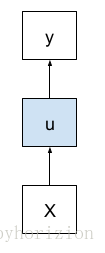
按照timestep展开后, 网络结构如下:
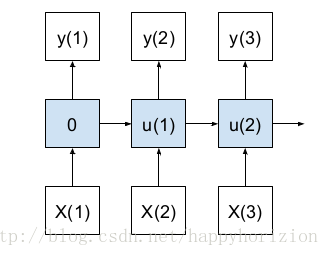
一对一模型用keras建模实现如下:
model = Sequential()
model.add(LSTM(..., input_shape=(1, features)))
model.add(Dense(1))- 1
- 2
- 3
值得注意的是, 数据本身可以是一个向量, 也就是说, 在一个时间点上, 对应的数据本身是多维的.
整个网络的输入是1个长度为features的向量, 输出是标量。
(2) 多对一(many to one)
此时,网络输入的时间步是大于1的, 但是输出的预测时间步只是1.
y(t+1) = f(x(t-n), x(t-n+1), …, x(t))
此时的网络结构为:
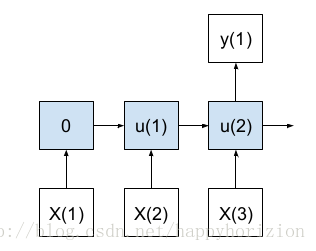
model = Sequential()
features = 10
vectors = 3
model.add(LSTM(8, input_shape=(vectors, features)))
model.add(Dense(1))
print(model.summary())- 1
- 2
- 3
- 4
- 5
- 6
可以得到:
_________________________________________________________________
Layer (type)                 Output Shape              Param #
=================================================================
lstm_27 (LSTM)               (None, 8)                 608
_________________________________________________________________
dense_22 (Dense)             (None, 1)                 9
=================================================================
Total params: 617
Trainable params: 617
Non-trainable params: 0
______________________________- 1
- 2
- 3
- 4
- 5
- 6
- 7
- 8
- 9
- 10
- 11
声明:本文内容由网友自发贡献,不代表【wpsshop博客】立场,版权归原作者所有,本站不承担相应法律责任。如您发现有侵权的内容,请联系我们。转载请注明出处:https://www.wpsshop.cn/article/detail/47390?site
推荐阅读
相关标签

