
热门标签
热门文章
- 1基于51单片机音乐盒设计( proteus仿真+程序+原理图+PCB+报告+讲解视频)_单片机音乐盒原理
- 2MySQL 图书管理系统_mysql图书管理系统
- 3阿里云开通短信服务流程_阿里云短信服务怎么开通
- 4如何找到 niche 出海细分市场的 IDEA
- 5网络编程六--UDP服务器客户端_udp客户端
- 6Mapmost Alpha:掌控未来数字地图的先锋科技
- 7【JavaWeb】Tomcat的下载及使用_tomcat下载
- 8Unity- 控制物体旋转、移动、缩放的功能_unity 旋转 缩放
- 9解锁数据分析的神器:ChatGPT引领人工智能革命
- 10超详细||YOLOv8基础教程(环境搭建,训练,测试,部署看一篇就够)(在推理视频中添加FPS信息)_yolov8安装
当前位置: article > 正文
Java获取多线程的4种方式_java 获取电脑被使用的线程数
作者:数据挖掘灵魂 | 2024-02-04 13:39:11
赞
踩
java 获取电脑被使用的线程数
1、实现Runnable接口
- package com.atguigu.thread;
-
- /**
- * @author bjk
- * @date 2021/09/02 18:05
- *
- * 一个类实现Runnable接口
- */
-
- class Mythread implements Runnable{
-
- @Override
- public void run() {
- System.out.println("hello");
- }
- }
- public class ThreadDemo1 {
- public static void main(String[] args) {
- Mythread mythread = new Mythread();
- Thread thread = new Thread(mythread);
- thread.start();
- }
-
- }

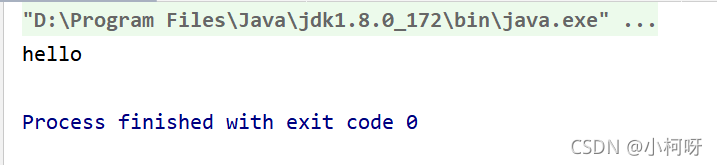
2、继承Thread
- package com.atguigu.thread;
-
- import java.util.concurrent.Callable;
-
- /**
- * @author bjk
- * @date 2021/09/02 18:07
- * 继承Thread创建线程
- */
- class Mythread2 extends Thread {
- @Override
- public void run() {
- System.out.println("hello");
- }
- }
- public class ThreadDemo2 {
- public static void main(String[] args) {
- Mythread2 mythread2 = new Mythread2();
- mythread2.start();
- }
- }
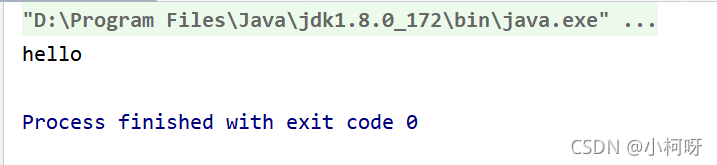
3、实现Callable接口
这个方法可以有返回值的,比Runnable功能强大
- package com.atguigu;
-
- import java.util.concurrent.Callable;
- import java.util.concurrent.ExecutionException;
- import java.util.concurrent.FutureTask;
-
- /**
- * @author bjk
- * @date 2021/09/02 18:19
- */
- //多接口实现
- class Mythread1 implements Callable<String>, Runnable {
- @Override
- public String call() throws Exception {
- System.out.println("call");
- return "call";
- }
-
- @Override
- public void run() {
-
- }
- }
- //构造注入
- class Mythread implements Callable<Integer>{
-
- @Override
- public Integer call() throws Exception {
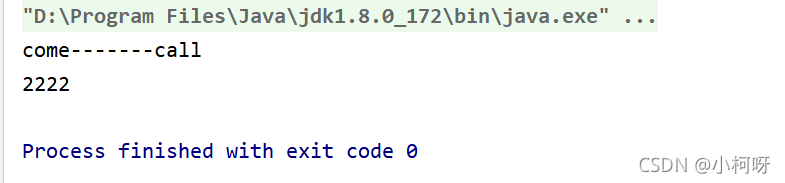
- System.out.println("come-------call");
- return 2222;
- }
- }
-
-
- public class CallableDemo {
- public static void main(String[] args) throws Exception {
- FutureTask futureTask =new FutureTask(new Mythread());
- new Thread(futureTask,"A").start();
- System.out.println(futureTask.get());
- }
-
- }
4、通过线程池获取线程
- public ThreadPoolExecutor threadPoolExecutor (){
- // 看cpu 密集型 n+1,还是io 密集型:2*n 核心线程数
- //7个参数 [初始化线程数 ,最大线程数 ,最大等待时长(回收最大线程数的参数)
- //, 时间单位 , 阻塞队列 , 线程工厂(可省略) , 拒绝策略(可省略,默认抛异常 ) ]
- ThreadPoolExecutor poolExecutor = new ThreadPoolExecutor(8, 20, 30, TimeUnit.SECONDS, new ArrayBlockingQueue<>(1000));
- return poolExecutor;
- }
声明:本文内容由网友自发贡献,不代表【wpsshop博客】立场,版权归原作者所有,本站不承担相应法律责任。如您发现有侵权的内容,请联系我们。转载请注明出处:https://www.wpsshop.cn/article/detail/58821
推荐阅读
![[ 云计算 | AWS 实践 ] Java 如何重命名 Amazon S3 中的文件和文件夹_jav](https://img-blog.csdnimg.cn/direct/f6b4b45ef01445aa9a147e7c5f1a8f15.png?x-oss-process=image/resize,m_fixed,h_300,image/format,png)
相关标签

