
- 1探秘亚马逊云科技海外服务器 | 解析跨境云计算的前沿技术与应用
- 2Leetcode Solutions - Part 2_let x1, x2 are solutions to (at a + 碌ii)x = 鈭扐t r,
- 3dubbo源码分析第十六篇一dubbo集群容错策略-BroadcastCluster广播_dubbo broadcast cluster
- 4简单易懂深入PyTorch中RNN、LSTM和GRU使用和理解
- 5《成为一名优秀的架构师:从基础到实践》_现代c++软件架构:方法与实践 pdf
- 6(附源码)基于Java SpringBoot的电影院管理系统设计与实现 毕业设计 011633_电影管理系统java源码
- 7黑马程序员——Objective-C——定义类、方法、创建对象
- 8HTML小游戏13 —— 仿《神庙逃亡》3D风格跑酷游戏《墓地逃亡》(附完整源码)_html神庙逃亡制作代码
- 9chatgpt赋能python:Python量化交易:为什么Python是最好的选择_pyalgotrade optimizer cuda
- 10二战华为成功上岸,准备了小半年,要个27k应该也算不上很高吧~
JAVA与C#编码规范对比_c# java
赞
踩
Java和C#是两种非常流行的面向对象编程语言,它们都有自己的编码规范。编码规范对于团队协作以及代码的可读性和维护性非常重要,它定义了一系列的规则和标准,用于统一团队成员的编程风格和代码结构。
在本文中,我们将对比Java和C#的编码规范,探讨它们之间的异同。我们将从命名规范、代码布局、注释、异常处理等方面进行比较,并指出它们的相似之处和不同之处。通过了解这些差异,我们可以更好地理解和遵循Java和C#的编码规范,从而写出高质量的代码。
尽管Java和C#在一些语法和特性上存在差异,但它们的编码规范目标都是提高代码的可读性、易于理解和维护。无论是从事Java开发还是C#开发,遵循相应编码规范都是十分重要的。编码规范不仅可以提高代码质量,还可以促进团队合作,减少代码错误和维护成本。
Java编码规范
1. 命名规范
Java中的命名规范和C#类似,变量名、方法名和类名应该采用驼峰命名法,例如:
public class Person {
    private String firstName;
    private String lastName;

    public void setFirstName(String firstName) {
        this.firstName = firstName;
    }

    public String getFirstName() {
        return firstName;
    }

    public void setLastName(String lastName) {
        this.lastName = lastName;
    }

    public String getLastName() {
        return lastName;
    }
}

- 1
- 2
- 3
- 4
- 5
- 6
- 7
- 8
- 9
- 10
- 11
- 12
- 13
- 14
- 15
- 16
- 17
- 18
- 19
- 20
常量名应该全部大写,单词之间用下划线隔开,例如:
public static final int MAX_NUM = 100;
- 1
2. 代码格式
Java中的代码格式应该遵循一定的规范,包括缩进、空格、注释等。例如,每个代码块应该缩进4个空格,每行代码不应该超过80个字符,注释应该清晰明了,例如:
/**
 * This is a javadoc comment.
 */
public class MyClass {

    // This is a single-line comment.
    private int myVariable;

    /*
     * This is a multi-line comment.
     */
    public void myMethod() {
        if (myVariable > 0) {
            System.out.println("The variable is positive.");
        } else {
            System.out.println("The variable is zero or negative.");
        }
    }
}
- 1
- 2
- 3
- 4
- 5
- 6
- 7
- 8
- 9
- 10
- 11
- 12
- 13
- 14
- 15
- 16
- 17
- 18
- 19
3. 异常处理
Java是一种具有强制异常处理机制的语言,程序员应该优先考虑异常的处理方式。捕获异常应该尽可能具体,而不是简单地使用Exception类来捕获所有异常,例如:
try {
    // Some code that may throw an exception.
} catch (IOException e) {
    // Handle the IOException.
} catch (Exception e) {
    // Handle all other exceptions.
}
- 1
- 2
- 3
- 4
- 5
- 6
- 7
4. 类设计
Java是一种面向对象的语言,类的设计非常重要。类应该具有清晰的职责,并且应该遵循单一职责原则。类的属性应该使用private修饰符,并提供公共的setter和getter方法,例如:
public class Person {
    private String firstName;
    private String lastName;

    public void setFirstName(String firstName) {
        this.firstName = firstName;
    }

    public String getFirstName() {
        return firstName;
    }

    public void setLastName(String lastName) {
        this.lastName = lastName;
    }

    public String getLastName() {
        return lastName;
    }
}
- 1
- 2
- 3
- 4
- 5
- 6
- 7
- 8
- 9
- 10
- 11
- 12
- 13
- 14
- 15
- 16
- 17
- 18
- 19
- 20
5. 注释
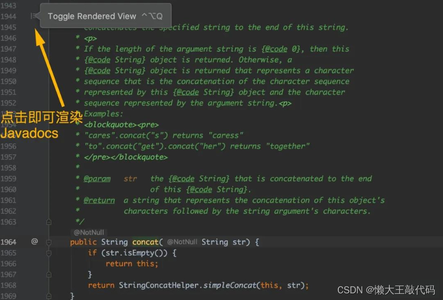
注释可以帮助其他程序员理解代码的用途和实现方式。Java中的注释有三种类型:单行注释、多行注释和文档注释。程序员应该使用适当的注释来解释代码的用途和实现细节,例如:
/**
 * This is a javadoc comment for the class.
 */
public class MyClass {

    private int myVariable; // This is a single-line comment.

    /*
     * This is a multi-line comment.
     */
    public void myMethod() {
        if (myVariable > 0) { // Check if the variable is positive.
            System.out.println("The variable is positive.");
        } else {
            System.out.println("The variable is zero or negative.");
        }
    }
}
- 1
- 2
- 3
- 4
- 5
- 6
- 7
- 8
- 9
- 10
- 11
- 12
- 13
- 14
- 15
- 16
- 17
- 18
C#编码规范
1. 命名规范
C#中的命名规范和Java类似,变量名、方法名和类名应该采用驼峰命名法,例如:
public class Person {
    private string firstName;
    private string lastName;

    public void SetFirstName(string firstName) {
        this.firstName = firstName;
    }

    public string GetFirstName() {
        return firstName;
    }

    public void SetLastName(string lastName) {
        this.lastName = lastName;
    }

    public string GetLastName() {
        return lastName;
    }
}
- 1
- 2
- 3
- 4
- 5
- 6
- 7
- 8
- 9
- 10
- 11
- 12
- 13
- 14
- 15
- 16
- 17
- 18
- 19
- 20
常量名应该全部大写,单词之间用下划线隔开,例如:
public const int MAX_NUM = 100;
- 1
2. 代码格式
C#中的代码格式应该遵循一定的规范,包括缩进、空格、注释等。例如,每个代码块应该缩进4个空格,每行代码不应该超过80个字符,注释应该清晰明了,例如:
/**
 * This is a XML-style comment.
 */
public class MyClass {

    // This is a single-line comment.
    private int myVariable;

    /*
     * This is a multi-line comment.
     */
    public void MyMethod() {
        if (myVariable > 0) {
            Console.WriteLine("The variable is positive.");
        } else {
            Console.WriteLine("The variable is zero or negative.");
        }
    }
}
- 1
- 2
- 3
- 4
- 5
- 6
- 7
- 8
- 9
- 10
- 11
- 12
- 13
- 14
- 15
- 16
- 17
- 18
- 19
3. 异常处理
C#也是一种具有强制异常处理机制的语言,程序员应该优先考虑异常的处理方式。捕获异常应该尽可能具体,而不是简单地使用Exception类来捕获所有异常,例如:
try {
    // Some code that may throw an exception.
} catch (IOException e) {
    // Handle the IOException.
} catch (Exception e) {
    // Handle all other exceptions.
}
- 1
- 2
- 3
- 4
- 5
- 6
- 7
4. 类设计
C#也是一种面向对象的语言,类的设计非常重要。类应该具有清晰的职责,并且应该遵循单一职责原则。类的属性应该使用private修饰符,并提供公共的setter和getter方法,例如:
public class Person {
    private string firstName;
    private string lastName;

    public void SetFirstName(string firstName) {
        this.firstName = firstName;
    }

    public string GetFirstName() {
        return firstName;
    }

    public void SetLastName(string lastName) {
        this.lastName = lastName;
    }

    public string GetLastName() {
        return lastName;
    }
}
- 1
- 2
- 3
- 4
- 5
- 6
- 7
- 8
- 9
- 10
- 11
- 12
- 13
- 14
- 15
- 16
- 17
- 18
- 19
- 20
5. 注释
C#中的注释也有三种类型:单行注释、多行注释和XML-style注释。程序员应该使用适当的注释来解释代码的用途和实现细节,例如:
/**
 * This is a XML-style comment for the class.
 */
public class MyClass {

    private int myVariable; // This is a single-line comment.

    /*
     * This is a multi-line comment.
     */
    public void MyMethod() {
        if (myVariable > 0) { // Check if the variable is positive.
            Console.WriteLine("The variable is positive.");
        } else {
            Console.WriteLine("The variable is zero or negative.");
        }
    }
}
- 1
- 2
- 3
- 4
- 5
- 6
- 7
- 8
- 9
- 10
- 11
- 12
- 13
- 14
- 15
- 16
- 17
- 18
总结
Java和C#都是优秀的编程语言,在编写代码时,程序员需要遵循一定的命名规范、代码格式、异常处理、类设计和注释等规范。它们之间的编码规范非常相似,主要区别在于注释的类型和语法上的细微差别。无论是Java还是C#,良好的编码规范都可以帮助程序员更好地编写高质量的代码。
![[ 云计算 | AWS 实践 ] Java 如何重命名 Amazon S3 中的文件和文件夹_jav](https://img-blog.csdnimg.cn/direct/f6b4b45ef01445aa9a147e7c5f1a8f15.png?x-oss-process=image/resize,m_fixed,h_300,image/format,png)

