
热门标签
热门文章
- 1微博AI评论机器人“评论罗伯特”引发热议;Local LLM常用术语解释
- 2《Linux从练气到飞升》No.21 Linux简单实现一个shell
- 3手机技巧:安卓微信8.0.45测试版功能来了_微信8.0.45内测下载
- 4【基础】Windows 必会技能 ——解除文件夹/文件占用_解除占用
- 5一 地图的加载与显示 关于GMap的介绍与使用可以看我以前的文章:_wgs84 坐标 电子围栏
- 6网络编程『简易TCP网络程序』
- 7HUAWEI华为MateBook X Pro 2022 12代酷睿版(MRGF-16)笔记本电脑原装出厂Windows11系统工厂模式含F10还原
- 8计算机组成与设计04——处理器_lw指令
- 9mysql,用sql语句,建立学生-课程数据库基本表_sql数据库建立一个学生表
- 10qcustomplot使用教程--基本绘图
当前位置: article > 正文
dubbo中的一致性hash(ConsistentHashLoadBalance)详解_dubbo consistenthash
作者:编程革命者 | 2024-01-17 22:13:38
赞
踩
dubbo consistenthash
注意:本文适用于了解dubbo以及一致性hash的读者
众所周知,dubbo中有四种负载均衡策略:
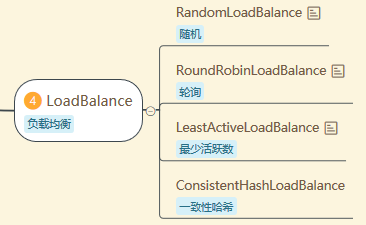
别的负载均衡策略就不细说了,再这里重点说一下dubo中的一致性hash负载均衡:ConsistentHashLoadBalance
前面的流程不多说,我们直接进入ConsistentHashLoadBalance的doSelect()方法中:
- protected <T> Invoker<T> doSelect(List<Invoker<T>> invokers, URL url, Invocation invocation) {
- String key = invokers.get(0).getUrl().getServiceKey() + "." + invocation.getMethodName();
- int identityHashCode = System.identityHashCode(invokers);
- ConsistentHashSelector<T> selector = (ConsistentHashSelector<T>) selectors.get(key);
- if (selector == null || selector.getIdentityHashCode() != identityHashCode) {
- selectors.put(key, new ConsistentHashSelector<T>(invokers, invocation.getMethodName(), identityHashCode));
- selector = (ConsistentHashSelector<T>) selectors.get(key);
- }
- return selector.select(invocation);
- }
刚开始生成一个key,其路径示例如下:com.dubbo.common.service.app.AppManageService:2222.selectLastApp
然后根据生成的hashCode匹配对应的Selector(一般Selector的数量为对应的consumer的数量)
生成一致性hash的核心方法在ConsistentHashSelector的构造方法中:
- public ConsistentHashSelector(List<Invoker<T>> invokers, String methodName, int identityHashCode) {
- this.virtualInvokers = new TreeMap<Long, Invoker<T>>();
- this.identityHashCode = System.identityHashCode(invokers);
- URL url = invokers.get(0).getUrl();
- this.replicaNumber = url.getMethodParameter(methodName, "hash.nodes", 160);
- String[] index = Constants.COMMA_SPLIT_PATTERN.split(url.getMethodParameter(methodName, "hash.arguments", "0"));
- argumentIndex = new int[index.length];
- for (int i = 0; i < index.length; i ++) {
- argumentIndex[i] = Integer.parseInt(index[i]);
- }
- for (Invoker<T> invoker : invokers) {
- for (int i = 0; i < replicaNumber / 4; i++) {
- byte[] digest = md5(invoker.getUrl().toFullString() + i);
- for (int h = 0; h < 4; h++) {
- long m = hash(digest, h);
- virtualInvokers.put(m, invoker);
- }
- }
- }
- }

根据对应的Invokers生成对应的hash环虚拟节点,放在一个TreeMap的结构中,key为虚拟节点的hash值。这样就可以在TreeMap中有序排列,这样hash环就生成了,调用选择的方法如下:
- public Invoker<T> select(Invocation invocation) {
- String key = toKey(invocation.getArguments());
- byte[] digest = md5(key);
- Invoker<T> invoker = sekectForKey(hash(digest, 0));
- return invoker;
- }
以参数值通过md5加密的hash为参数,进入selectForKey方法:
- private Invoker<T> sekectForKey(long hash) {
- Invoker<T> invoker;
- Long key = hash;
- if (!virtualInvokers.containsKey(key)) {
- SortedMap<Long, Invoker<T>> tailMap = virtualInvokers.tailMap(key);
- if (tailMap.isEmpty()) {
- key = virtualInvokers.firstKey();
- } else {
- key = tailMap.firstKey();
- }
- }
- invoker = virtualInvokers.get(key);
- return invoker;
- }
声明:本文内容由网友自发贡献,不代表【wpsshop博客】立场,版权归原作者所有,本站不承担相应法律责任。如您发现有侵权的内容,请联系我们。转载请注明出处:https://www.wpsshop.cn/article/detail/41331
推荐阅读
- article" href="/article/detail/41315" target="_blank"><em>dubbo</em> - 智能容错_<<em>dubbo</em>:<em>service</em> <em>cluster</em>=<em>"</em><em>broadcast</em><em>"</em> />...
相关标签

